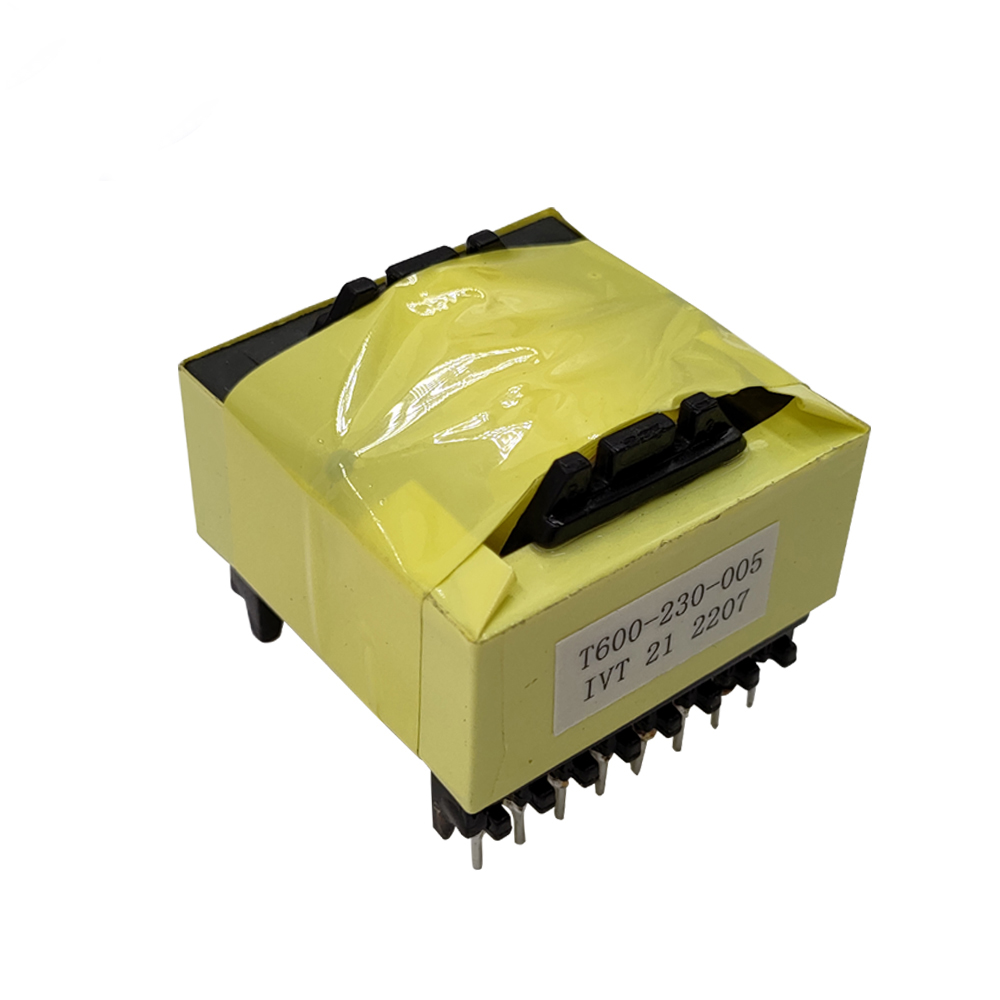
Do You Need a Transformer for 220V to 110V?
2025-10-31
Do You Need a Transformer for 220V to 110V? Here’s What You Must Know
Ever brought a US-purchased coffee maker or a Japanese hair dryer back home, plugged it into a 220V outlet, and heard a scary “pop”? Or maybe you’re eyeing an imported electronic gadget online but hesitate because of the voltage difference. If you’ve ever wondered, “Do I need a transformer for 220V to 110V?”—you’re not alone. Let’s break this down simply, no technical jargon, just the facts you need to keep your devices safe and working.
First: Why Voltage Matters (And Why Mixing Them Is Bad)
Most countries use either 220V-240V (like China, Europe, Australia) or 110V-120V (like the US, Canada, Japan) as their standard household voltage. Your electronic devices are designed to run on one specific voltage—check the label on the back or bottom, and you’ll see something like “Input: 110V 60Hz” or “220V 50Hz.”
If you plug a 110V device into a 220V outlet without a transformer, the higher voltage will flood the device’s circuits. This can cause anything from a burnt-out fuse to permanent damage—think a dead laptop charger or a toaster that’s now just a paperweight. Worse, it might even pose a fire risk. So yes, in most cases, you do need a transformer to step down 220V to 110V for devices that aren’t dual-voltage.
Wait—What About “Dual-Voltage” Devices?
Not all devices require a transformer! Some small electronics (like smartphones, laptops, and travel hair dryers) are labeled “Dual Voltage” or “100V-240V.” These have built-in power adapters that automatically adjust to any voltage between 100V and 240V. For these, you only need a plug adapter to fit the local outlet—no transformer needed.
Pro tip: Always check the device’s input label first. If it says “110V only,” skip the plug adapter and grab a transformer. If it says “100V-240V,” you’re good with just an adapter.
When You Definitely Need a 220V to 110V Transformer
Transformers are non-negotiable for devices that run on 110V alone, especially high-wattage appliances. Here are the most common scenarios:
-
Kitchen appliances: US-made blenders, toasters, coffee machines, or air fryers.
-
Home electronics: Vintage record players, US-bought TVs, or gaming consoles (like a PS5 from the States).
-
Power tools: Drills, sanders, or saws designed for 110V outlets.
-
Heating/cooling devices: Space heaters, small air conditioners, or electric blankets from 110V regions.
How to Choose the Right Transformer (Avoid These Mistakes)
Not all transformers are created equal. Pick the wrong one, and you’ll still have problems. Here’s what to look for:
-
Wattage is key: Calculate the total wattage of the device(s) you’ll plug in. Transformers have a “maximum wattage” rating—choose one that’s 50% higher than your device’s wattage. For example, if your coffee maker uses 800W, get a 1200W transformer. This buffer prevents overloading.
-
Step-down vs. step-up: Make sure it’s a step-down transformer (220V to 110V). Step-up transformers do the opposite (110V to 220V)—using the wrong one will ruin your device.
-
Safety features: Look for transformers with overload protection, short-circuit protection, and grounded plugs. These prevent fires and electric shocks.
-
Size and portability: If you’re using it at home for a single appliance, a desktop model works. If you travel, get a compact, lightweight one (but still check wattage!).